BMW iX Series Suv Electric AWD

BMW iX xDrive50

The BMW iX xDrive50 is a premium electric AWD SUV with long-range capability and strong performance, well suited to road trips and growing families. Its five-seat layout and usable cargo space add practicality, but the premium pricing will deter budget-focused buyers.
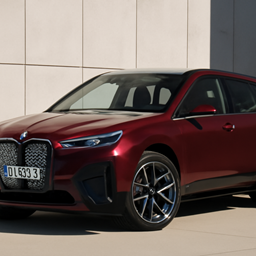
BMW iX xDrive50

Is this car right for you?

Best for

  • 566 km range reduces charging stops on highway trips
  • 523 hp, AWD, and 0–100 km/h in 4.6 s deliver confident performance
  • Five seats and a 500 L trunk work for growing families and gear
  • 105.2 kWh battery enables consistent long-distance legs

Less ideal for

  • Price of 83,900 is high for budget-focused shoppers
  • Less suited to city-centric driving and short errands
  • Only five seats with no third row
  • If you rarely travel long distances, the big battery and power may be unnecessary

Core facts only

Price
€83,900
Used price
€55,000–€65,000
Power
523 hp
0–100 km/h
4.6 s
Top speed
200 km/h
Range
Up to 566 km
Boot
500 L
Seats
5
Drive
AWD
Body type
Suv

BMW lineup context

FamilyBMW iX Series
PositionExecutive car
Closest BMWBMW iX xDrive40

Where this car stands out

See all rankings
#1 in BMW

Winter driving

Strong horsepower and AWD for confident passing and traction.

#15 in BMW

Road trip comfort

566 km range from a 105.2 kWh pack favors road trips.

Top 5% global

Winter driving

Safety ranking signals add peace of mind.

Best alternatives

Open all comparisons
Similar BMW

750e xDrive

Closest same-brand alternative with a similar price zone, but a slightly different style and practicality tradeoff.

View comparison
Better value pick

Honda Pilot Elite

Worth checking if practicality and value matter more than the BMW badge and premium cabin feel.

View comparison
Better for this use

Audi Q8 60 TFSI e

A stronger option for buyers who prioritise this specific use case over the broader BMW positioning.

View comparison

Own / buy / live with this car

All practical ownership actions grouped into one area.

Go deeper

Lower-priority exploration, after the main decision is already supported.